
Four pillars that redefine the viability of producing noble timber at scale.
An unprecedented milestone in noble tropical hardwood production, with a direct impact on the appeal and profitability of forestry investment.
Wood geared toward high-value markets, meeting a standard compatible with the structural and decorative uses traditionally associated with native tropical species.
Genetic uniformity and yield stability that make it possible to plan production with greater technical and economic control.
A cultivated foundation for expanding the supply of noble tropical hardwood without relying on the exploitation of native forests.
Mogno Bahia® is an interspecific hybrid cultivar of the genus Melia
(family Meliaceae), resulting from the cross between Melia dubia and
Melia azedarach, developed over decades through phenotypic selection and
field-applied genetic improvement.
More than a species, it represents a new foundation for noble tropical
hardwood production — aligning productivity, wood quality and growth
predictability at scale. This work reflects GWG’s approach to applied forest
biotechnology.
Mogno Bahia at 10 years. Serra Dourada, Western Bahia.
Axial compression
Modulus of elasticity
Parallel shear
Perpendicular tension
Cleavage
Parallel shear

IPT + USP — Tests carried out by the Instituto de Pesquisas Tecnológicas (IPT) in partnership with the University of São Paulo (USP). Reference values for wood from managed plantations in the 7-to-8-year range.
For high-value furniture, architecture and design. Balanced density and weight for pieces that are comfortable, sturdy and built to last.
An original series about the story of Mogno Bahia®.
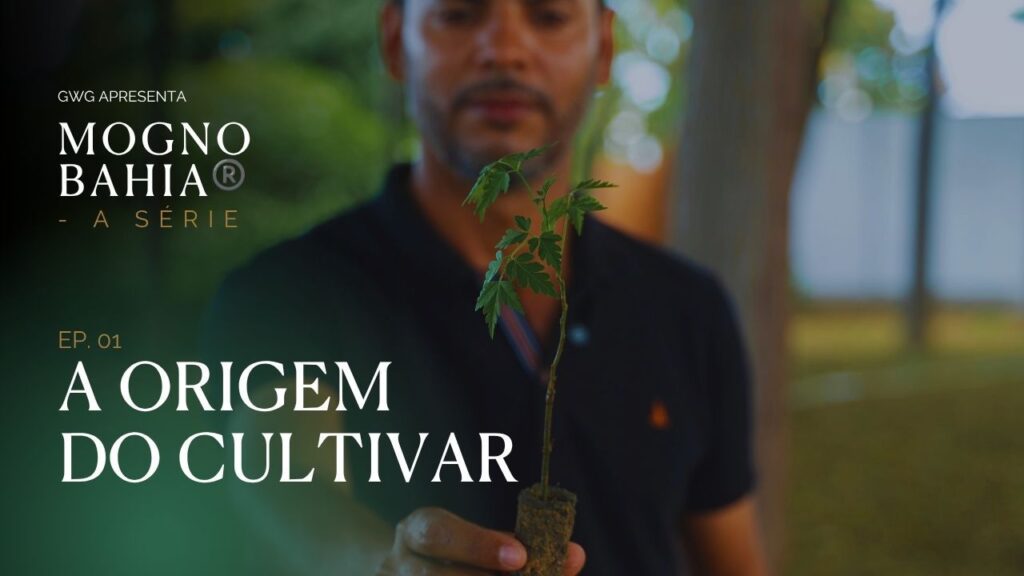
The Origin & The Cultivar
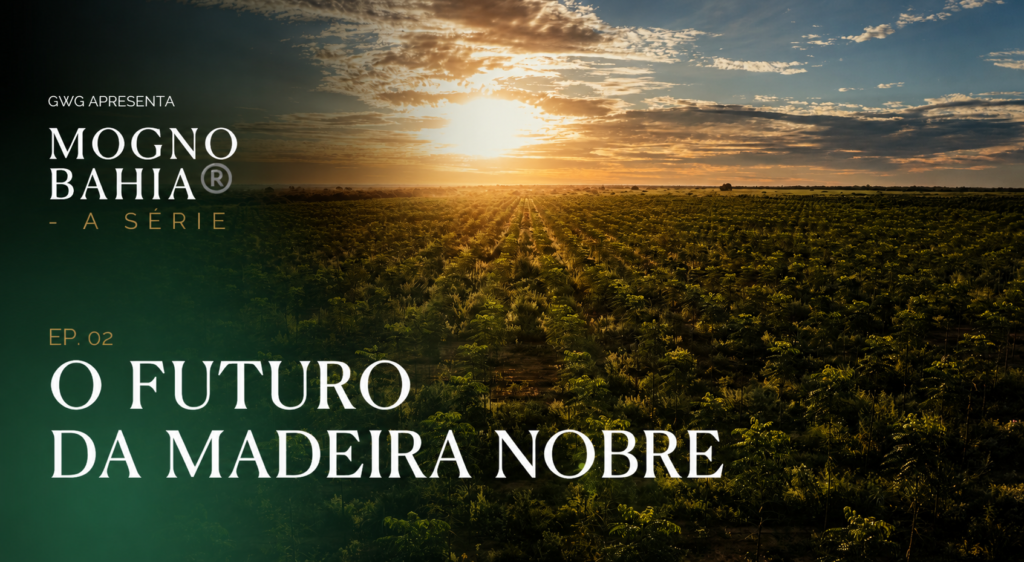
The Future of Fine Hardwood
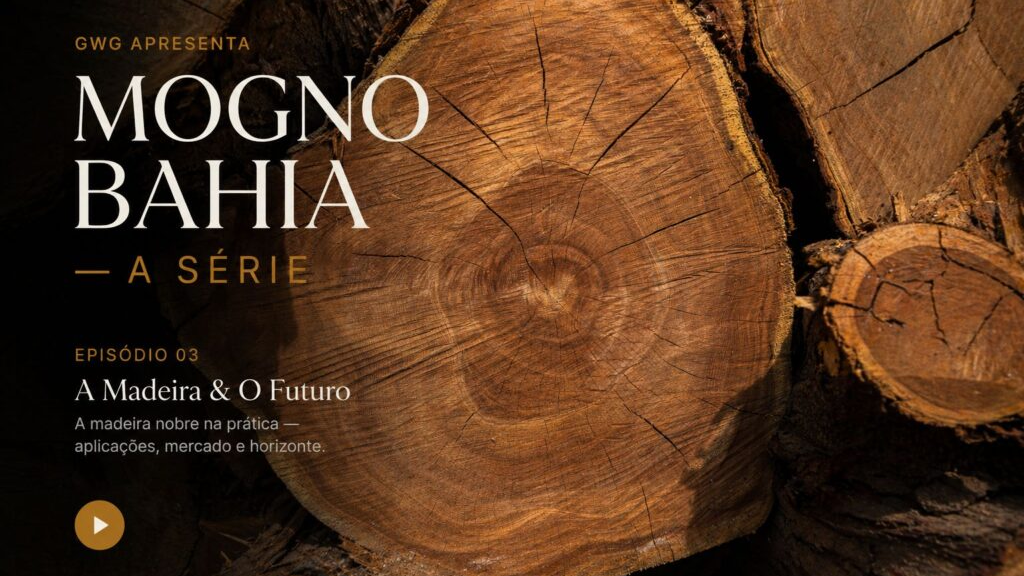
The Wood & The Future
Turn land into high-value noble-timber production.
Noble tropical hardwood as a productive asset class.