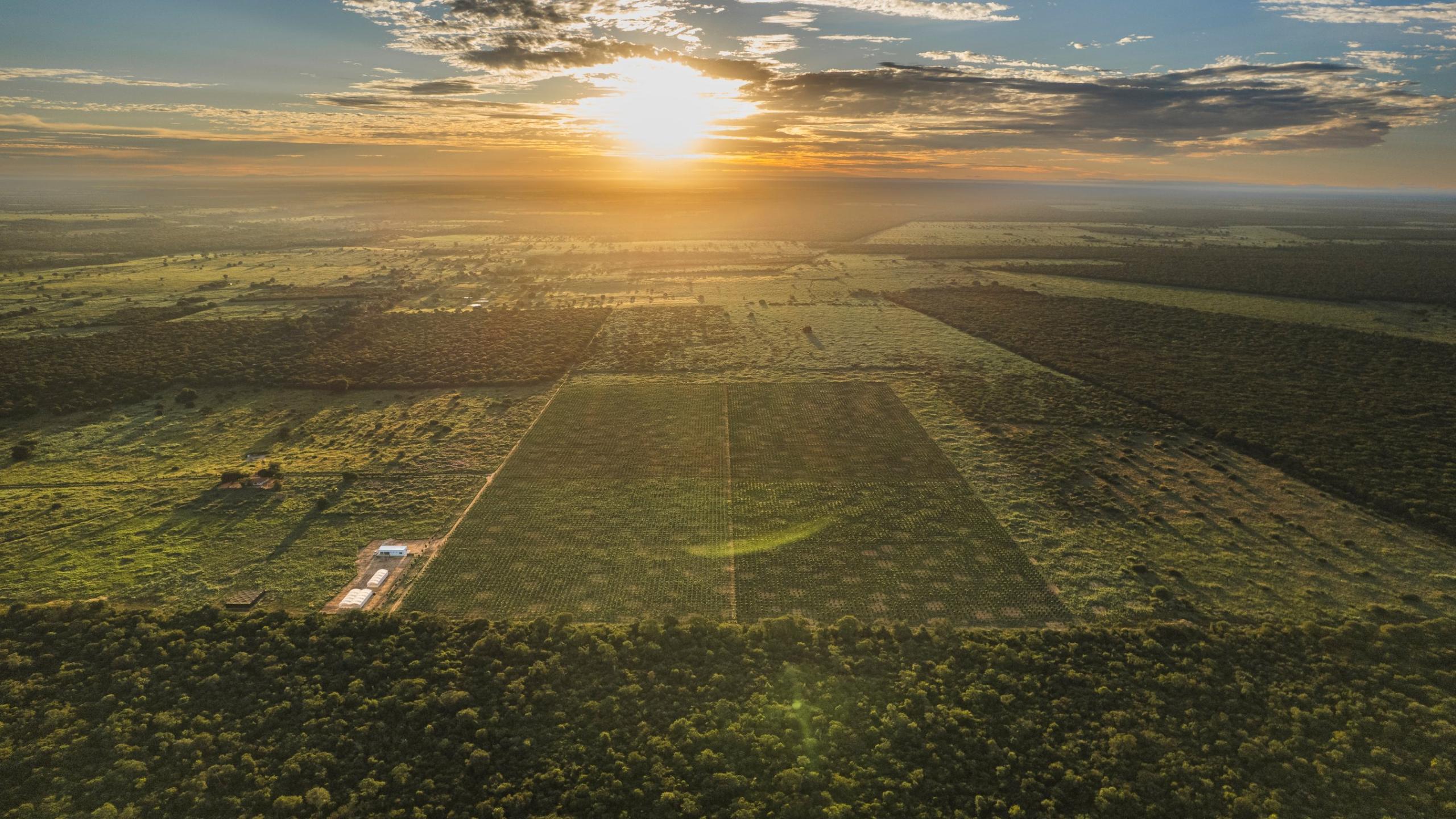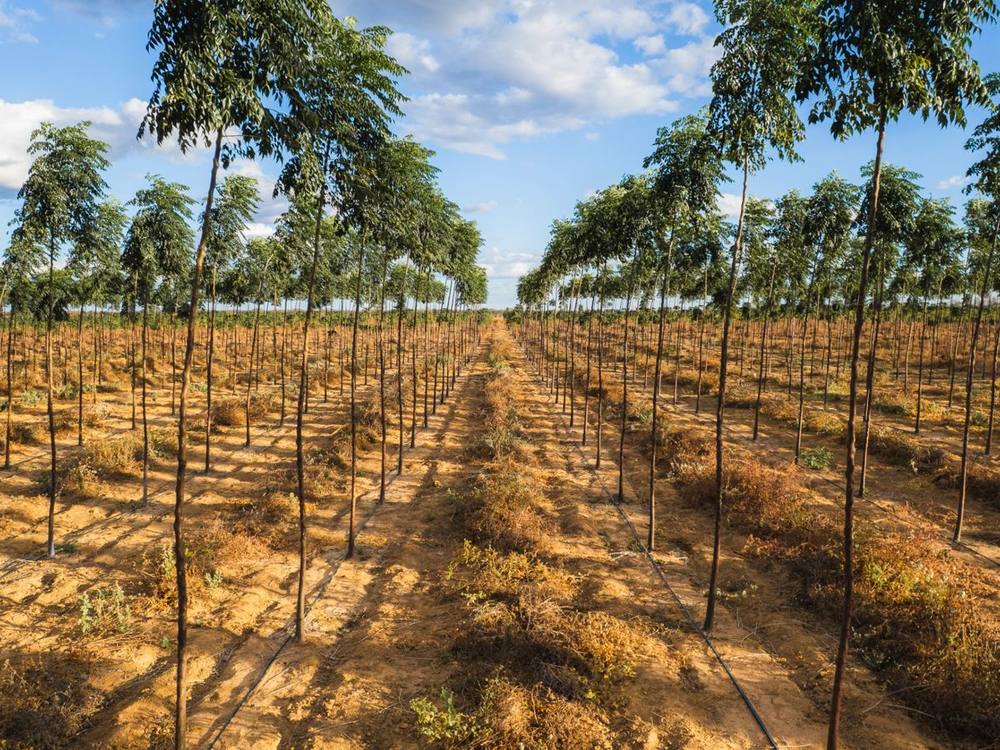
Sunrise over Fazenda Mahogany Santana, in western Bahia, with a Mogno Bahia® forest in the foreground surrounded by native vegetation

GWG Protocol

A new generation of noble timber forests.

From genetics to harvest, GWG develops and manages cultivated Mogno Bahia® forests, combining research, silviculture and planning in a cycle of approximately ten years.

The production cycle

A forest planned to produce in ten years.

The GWG production protocol sets a cycle of approximately ten years, with two planned harvests: the first in year five and the second in year ten.

Planning starts with genetic selection and guides every stage of establishment, management and timber production.
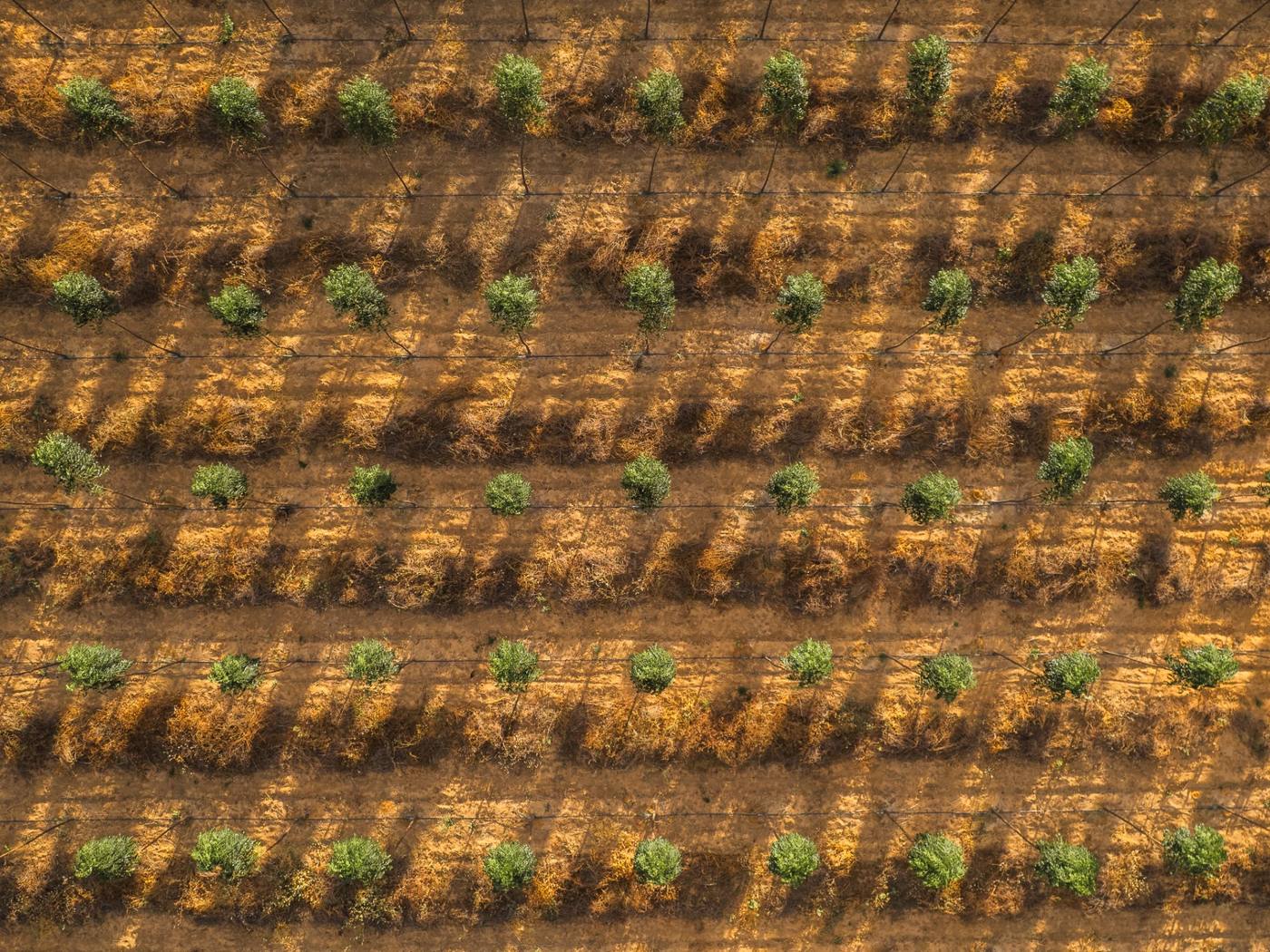
Top-down aerial view of Mogno Bahia® planting rows, with drip lines along each row
Planting rows with drip irrigation · Fazenda Mahogany Santana
Year 0

Establishment

Site preparation, planting and forest establishment.

Year 5

First harvest

Half of the planting rows are harvested.

Year 10

Second harvest

The remaining rows are harvested.

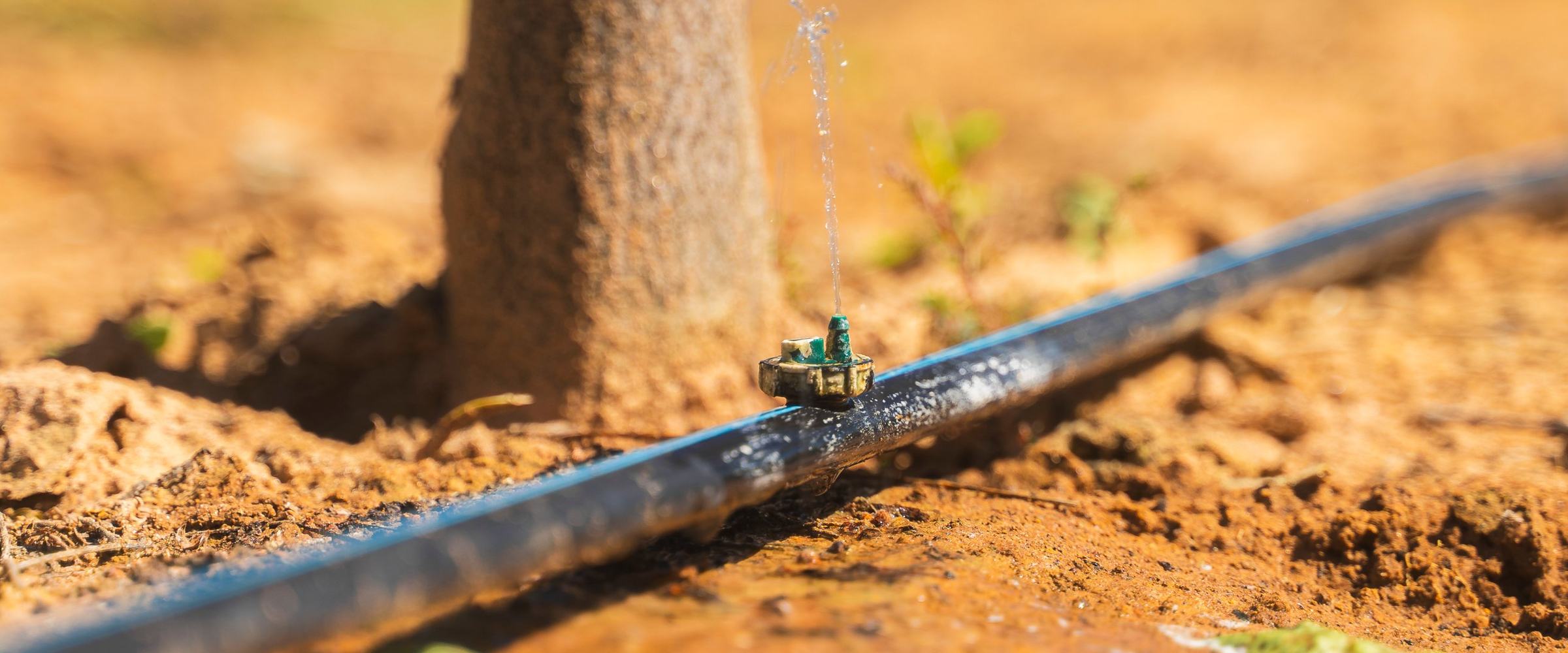
Drip irrigation emitter next to the trunk of a Mogno Bahia® tree, releasing a fine jet of water

Precision management

Drip irrigation, tree by tree: each forest receives the measured care it needs.

Technical data

Noble timber. By the numbers.

Projection Forest output per hectare
100–120m³/haProjection · year 5, half of the rows
430–450m³/haProjection · year 10, remaining rows
530–570m³/haProjection for the full cycle

Projections from the GWG production protocol. Actual volumes depend on site, climate and management.
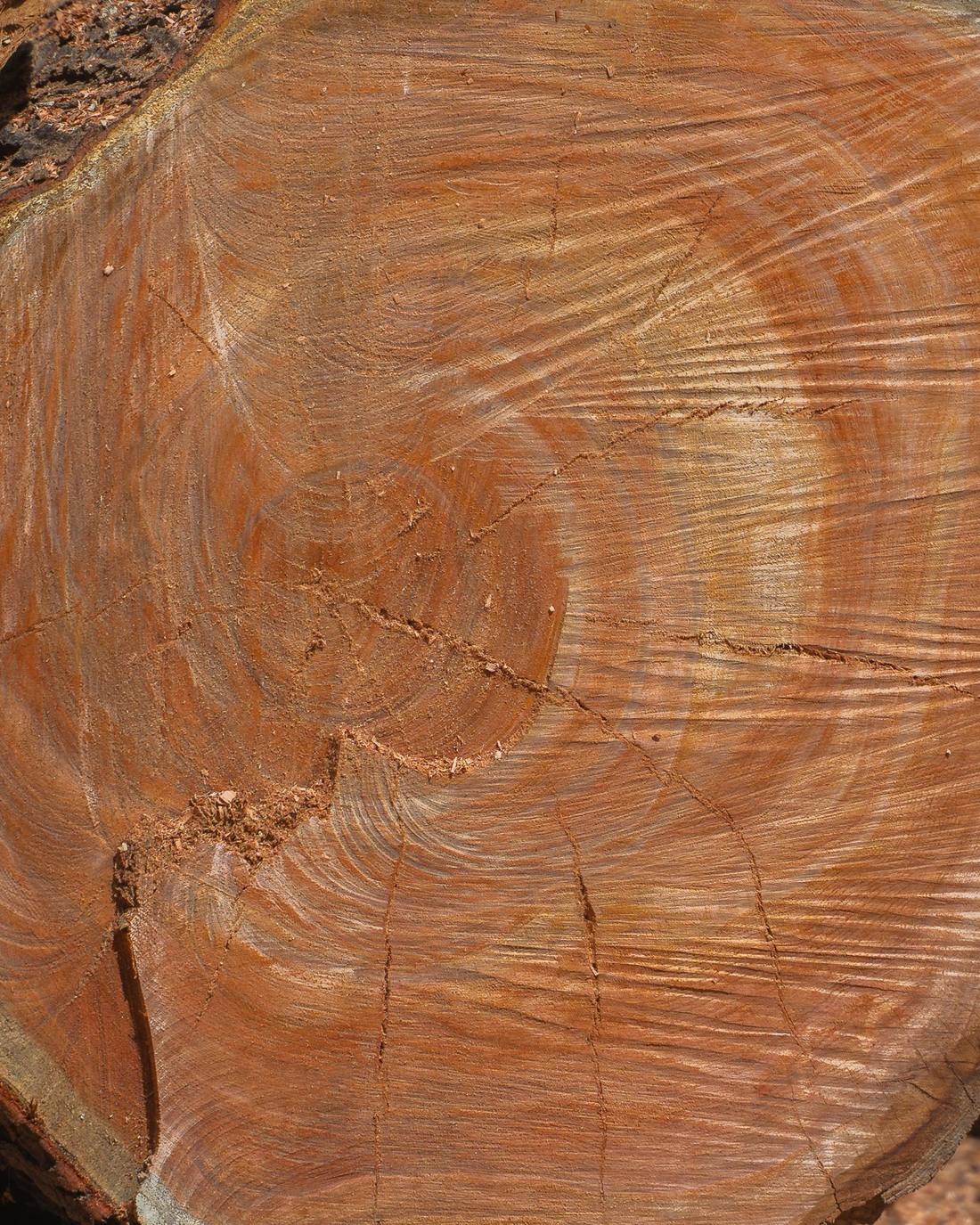
Testing Timber characterization Cross-section of a Mogno Bahia® log showing the reddish heartwood

Tests carried out by the Institute for Technological Research (IPT), on timber samples from 7- to 8-year-old plantings, characterized the physical and mechanical properties of Mogno Bahia®.

Technical forest production data. They do not represent a projection of financial results.
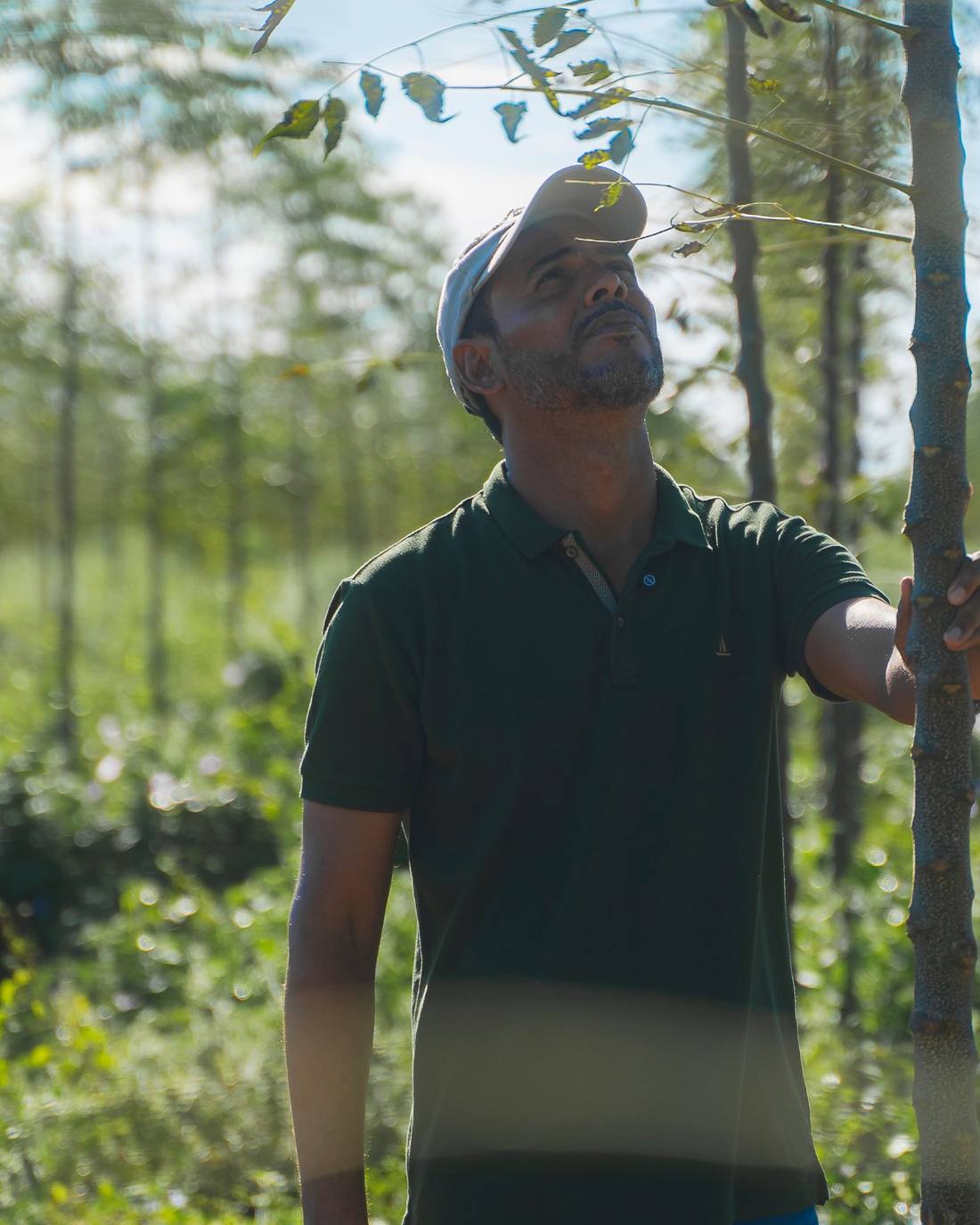
Alan dos Anjos, GWG co-founder, looking up at the canopy of a Mogno Bahia® forest
Alan dos Anjos · GWG co-founder

Research and team

More than 30 years of forest research.

Mogno Bahia® is the result of more than three decades of observation, selection and genetic improvement.

At GWG, this knowledge feeds into proprietary silviculture protocols, deployed and refined in commercial forests in western Bahia.

Genetics, management and technical oversight are part of a single production program.

01Genetics
02Management
03Technical oversight

How we produce

Five stages, one team.

Every forest follows the same protocol, from genetic selection to harvest, with technical oversight throughout the cycle.
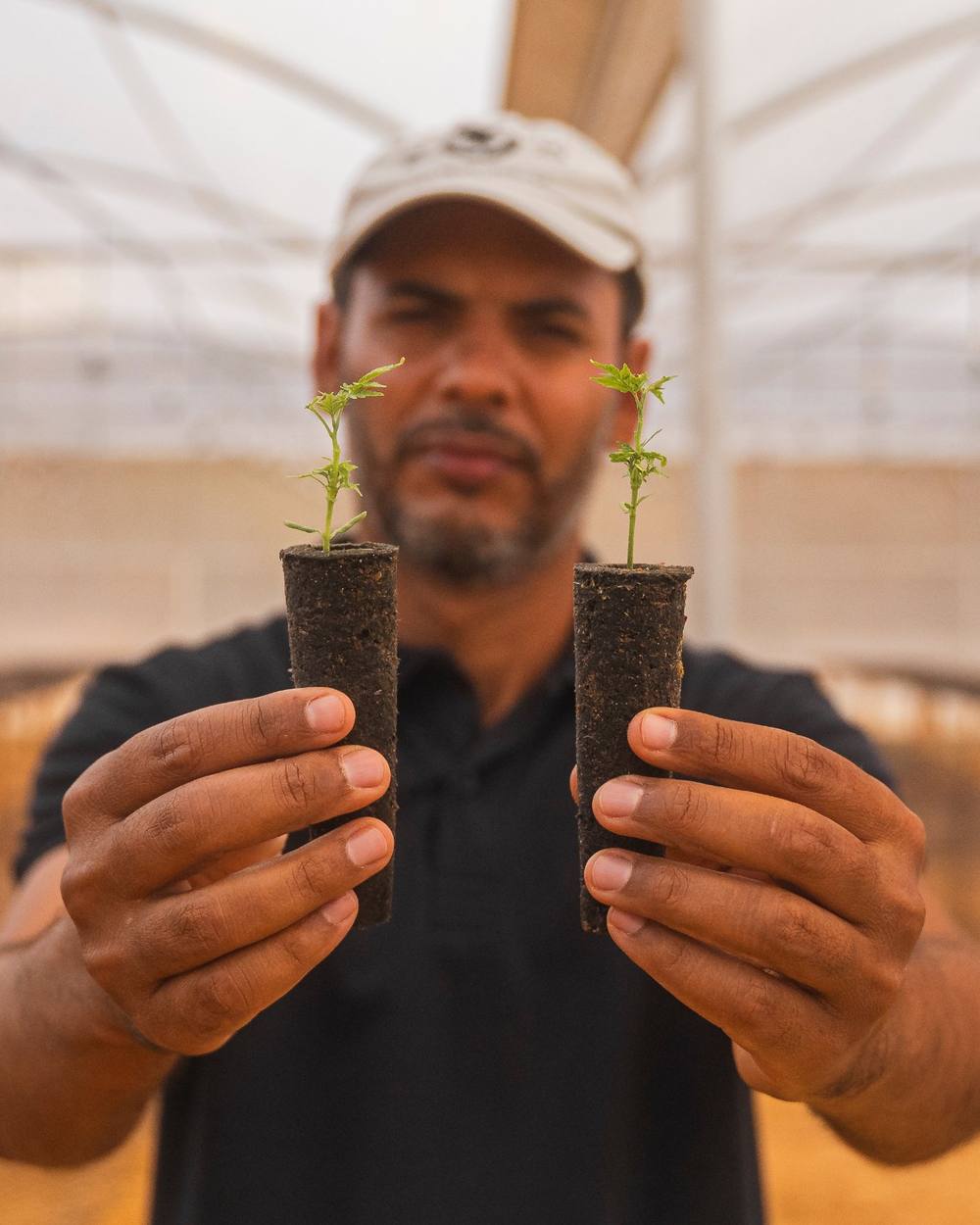
  1. GWG technician holding two young Mogno Bahia® plants in the nursery01

    Genetic selection

    The origin of Mogno Bahia® and the ongoing development of its genetic material.
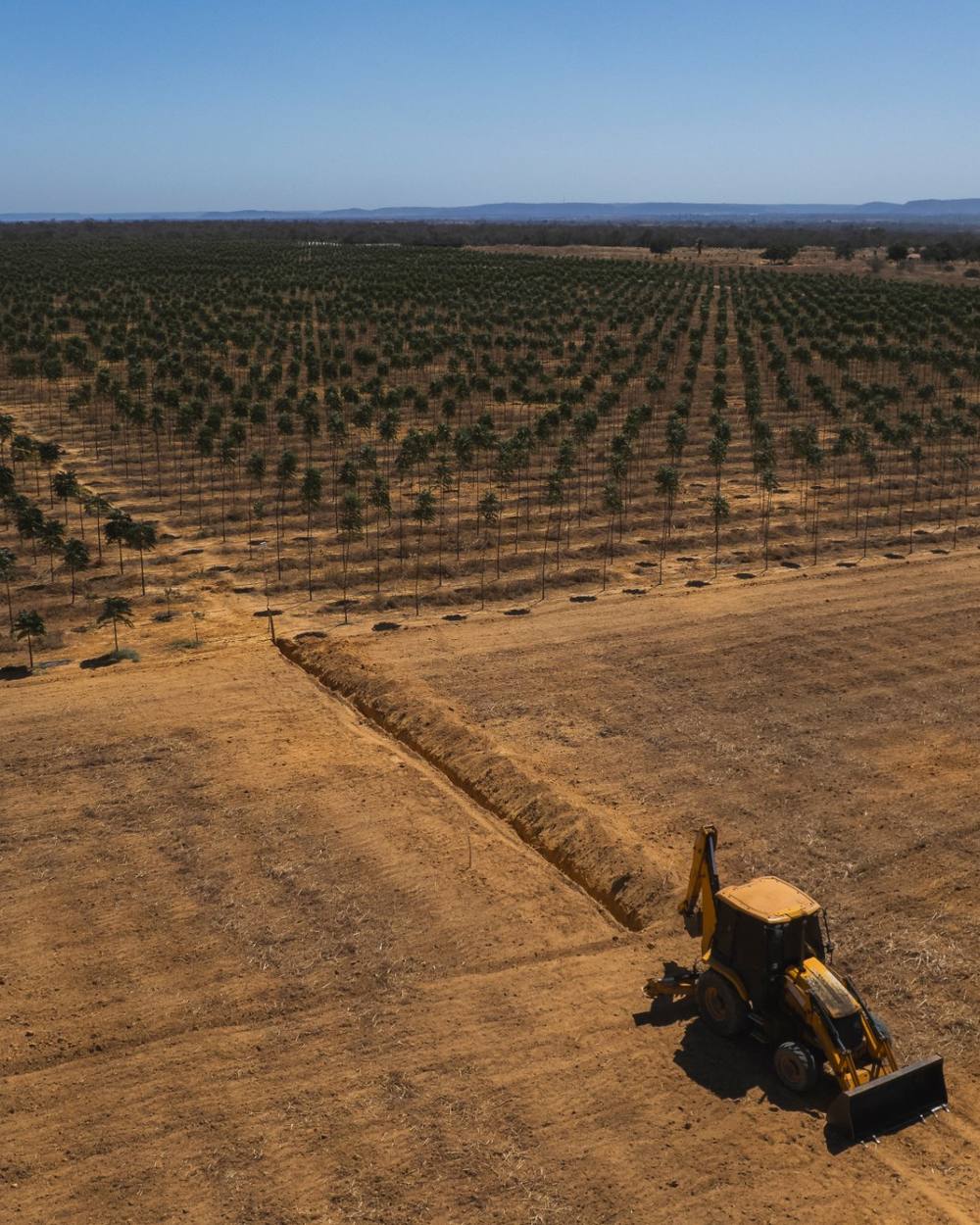
  2. Tractor preparing the soil between the rows of a new forest02

    Forest establishment

    Site planning, soil preparation, planting and forest establishment.
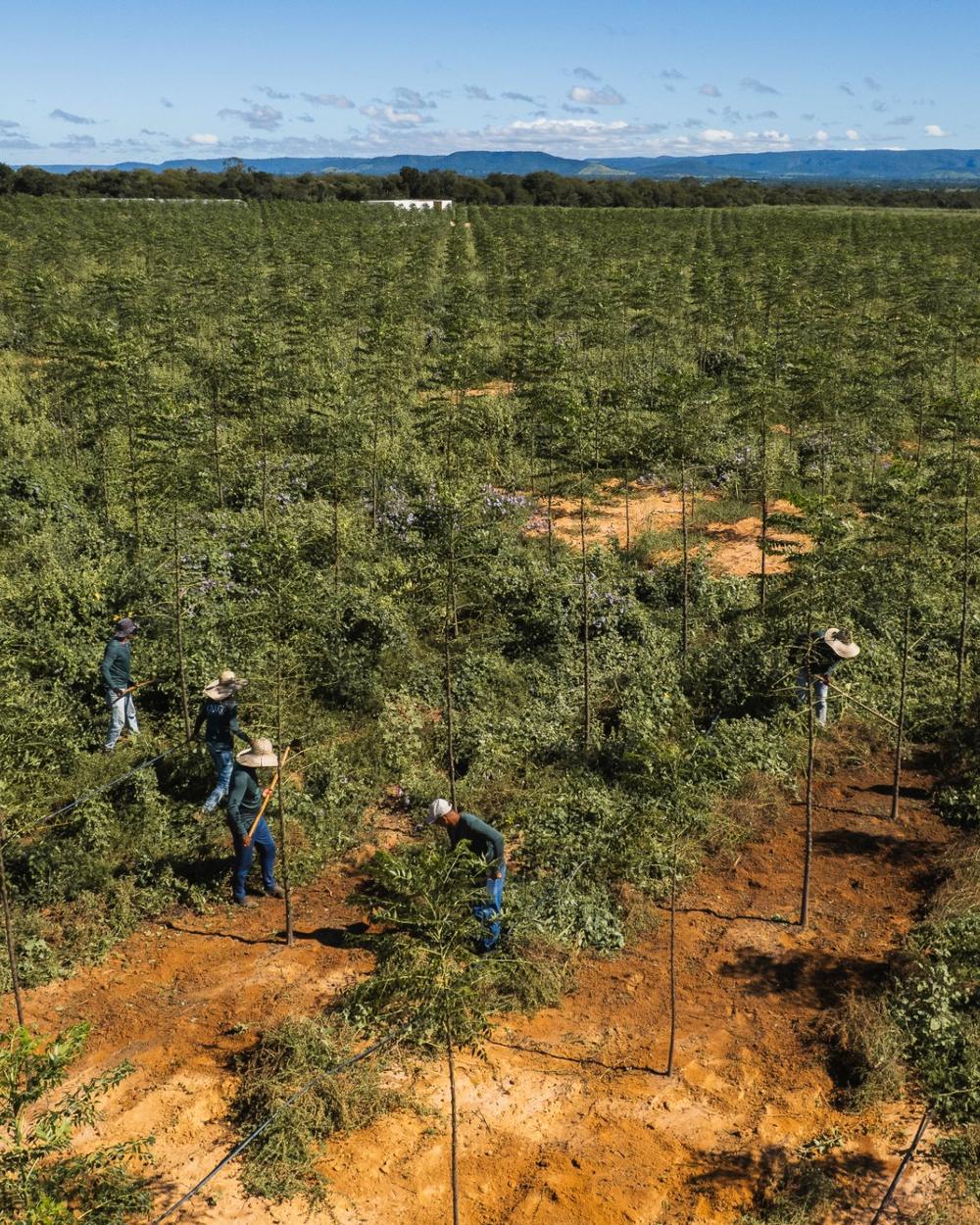
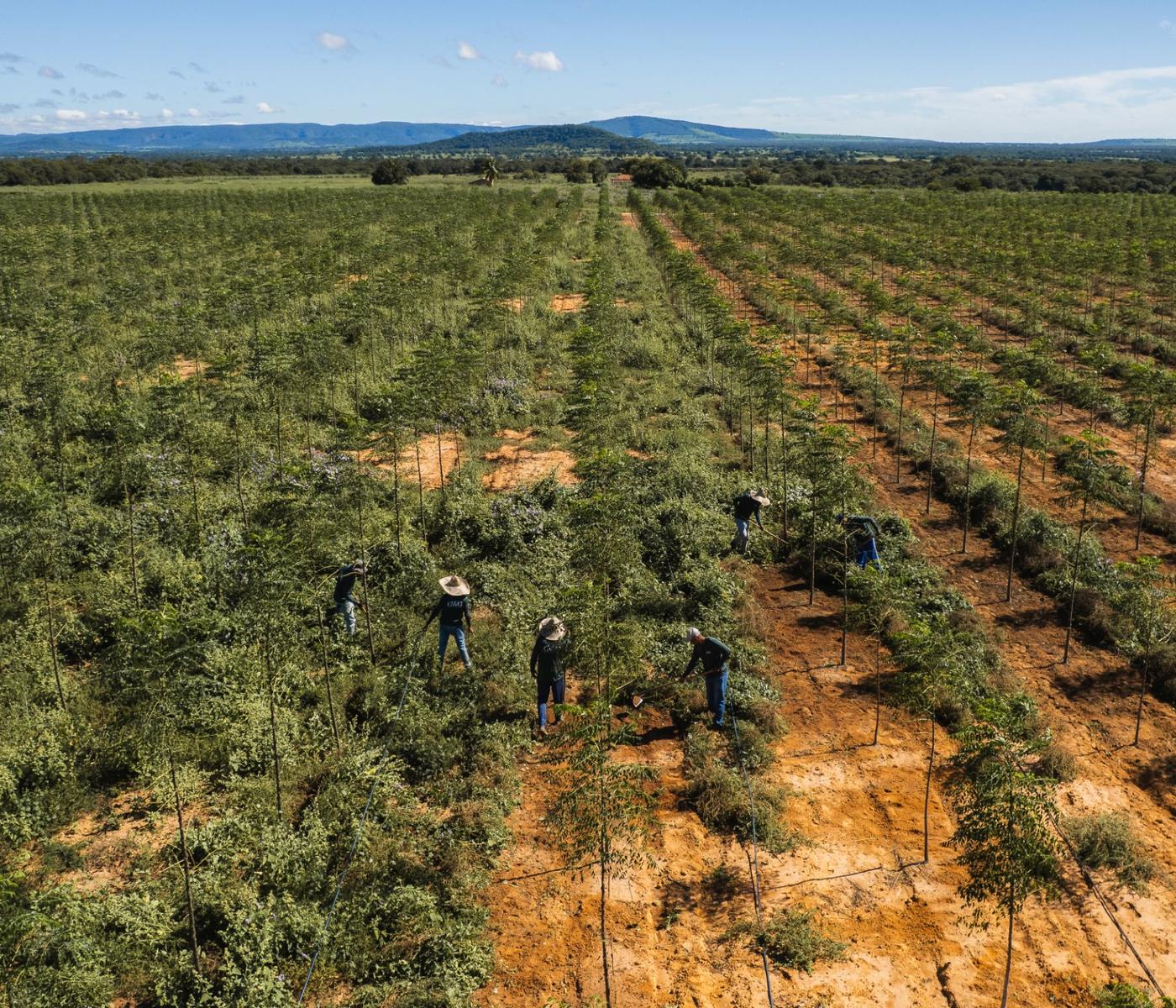
  3. GWG team working between the rows of a Mogno Bahia® forest03

    Management and monitoring

    Training and pruning protocols, irrigation and inventories to track growth.
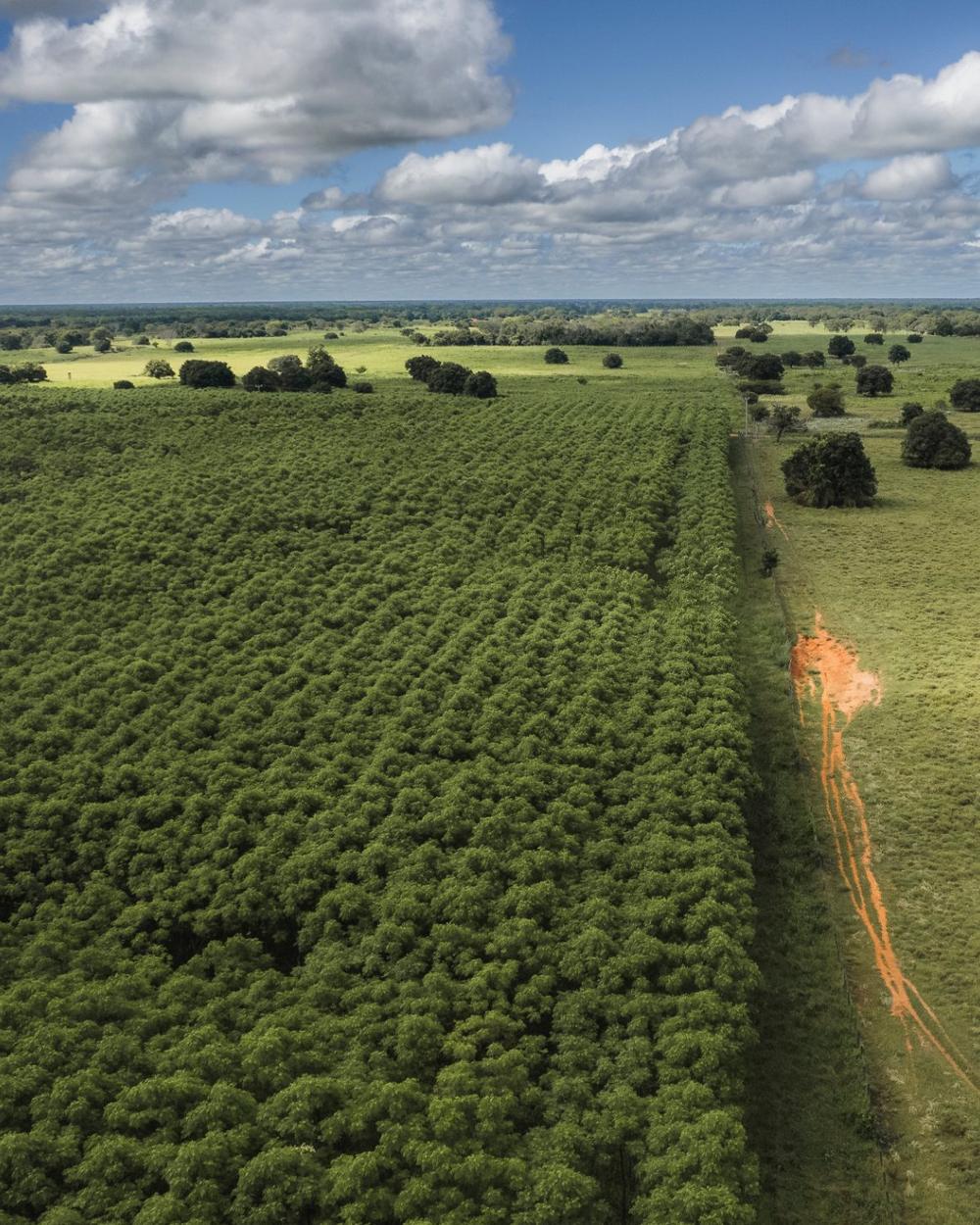
  4. Aerial view of a four-year-old Mogno Bahia® forest, approaching its first harvest04 · Year 5

    First harvest

    Geometric harvest of half of the planting rows in year five of the cycle. Spacing becomes 8 × 3 m.
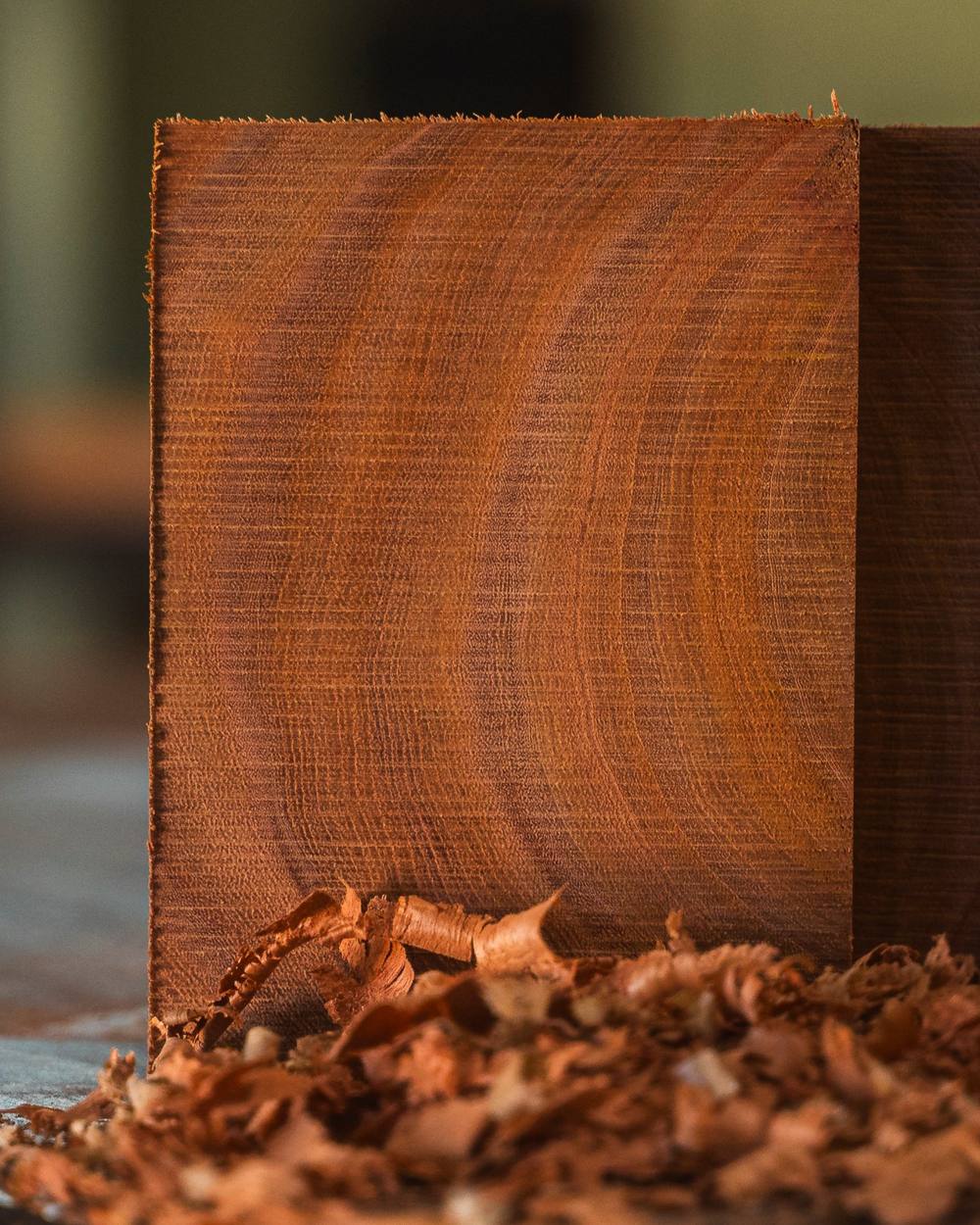
  5. Sawn Mogno Bahia® blocks showing the reddish heartwood05 · Year 10

    Second harvest

    Harvest of the remaining rows at the end of the cycle of approximately ten years.

Fazenda Mahogany Santana · Western Bahia

11 forests. A continuous expansion program.

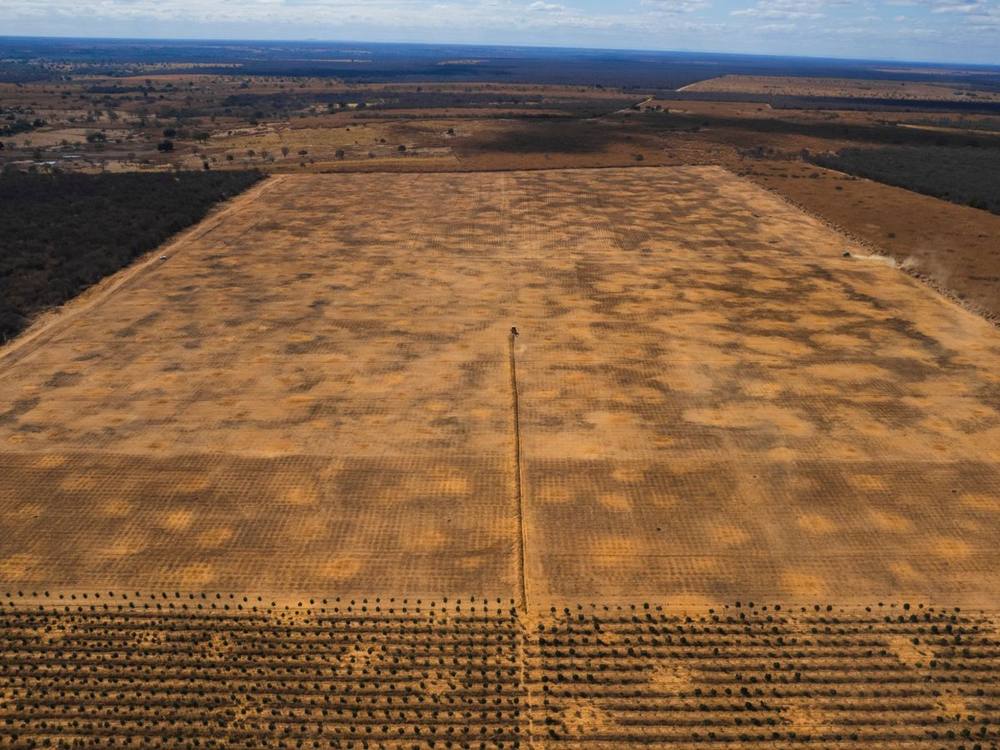
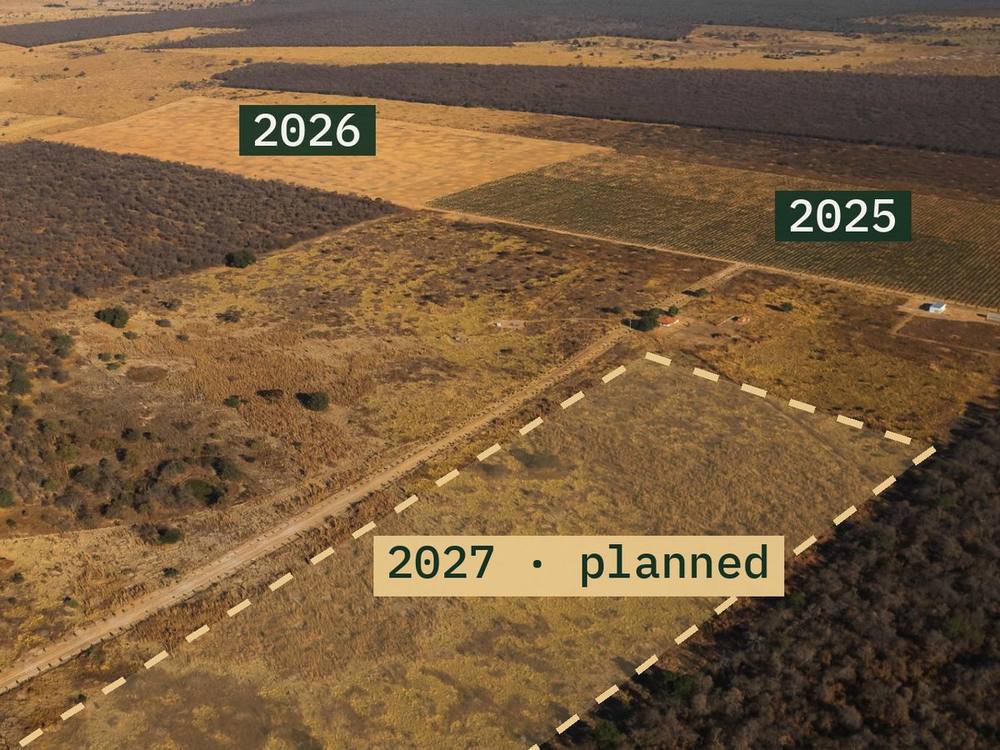
At Fazenda Mahogany Santana, in western Bahia, GWG is carrying out a program to establish 11 Mogno Bahia® forests of 25 hectares each, one per year.

With staggered ages, the forests reach harvest one after another and form a perennial forest, planned to supply the noble timber market continuously.
11Planned forests
25 haPer forest
1New forest per year
275 haProgram area
Rows of the Mogno Bahia® forest planted in 2025, with drip irrigation

Forest 1

  • Planted in 2025
  • 25 ha
Aerial view of the 25 hectares of the 2026 forest being prepared for planting

Forest 2

  • Being planted · 2026
  • 25 ha
Aerial view of the farm with the area planned for the 2027 forest outlined with a dashed line

Forest 3

  • Planned for 2027
  • 25 ha
PlantedBeing plantedPlannedScheduled
  1. 2025
  2. 2026
  3. 2027
  4. 2028
  5. 2029
  6. 2030
  7. 2031
  8. 2032
  9. 2033
  10. 2034
  11. 2035

One new 25-hectare forest per year, from 2025 to 2035.
Frequently asked questions

What people usually ask us.

Where do the production figures come from?

The volumes shown are projections from the GWG production protocol, based on the experience and track record of plantings carried out by GWG in its forests at Serra Dourada and Santana, in western Bahia, with drip irrigation and rigorous technical management.

Actual volumes depend on the environmental conditions and management of each forest, and are subject to the variability inherent in biological processes. The physical and mechanical properties of the timber were assessed separately, in IPT tests on samples from 7- to 8-year-old plantings.

Why cultivated noble timber?

Cultivated forests make it possible to know the origin, age and management of every timber lot. With selected genetics and its own protocol, GWG aims to offer noble timber with a known origin and planned production.

What is the timber used for?

GWG develops Mogno Bahia® for higher-value markets, with potential applications in furniture, doors, panels, cladding, design objects and musical instruments.

How can I learn about investment opportunities at GWG?

Register your interest to receive information about upcoming opportunities to take part in the GWG forest program. Registration does not constitute an investment offer.

GWG team managing a Mogno Bahia® forest, with the hills in the background

Forest investment

Take part in the next stage of our forest expansion.

GWG is structuring new opportunities to take part in its cultivated forest program. Register your interest to receive information about the project and follow its next steps.

Join the interest list

Registration does not constitute an investment offer.