
- ATLAS OF WOODS
- Species Data Sheet
- ORIGIN: Cerrado · Caatinga · Atlantic Forest
Gonçalo-alves
- Astronium spp.
Gonçalo-alves refers to a group of tree species native to Brazil, whose wood is prized for its high mechanical strength, durability and striking decorative appearance. Highly valued for fine furniture, flooring and high-end pieces, it combines beauty and durability.

Family
Anacardiaceae
Color
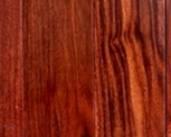
Reddish brown to dark brown
Figure
Darker (almost black) streaks, forming a characteristic striped look
Density
0.75 to 0.95 g/cm³ (approximately)
Uses
Luxury furniture, flooring, decorative paneling, sliced veneers, tool handles, light and medium structures and fine crafts.
Grain
Usually straight to slightly interlocked
Conservation Passport
- IUCN
- A. graveolens: Least Concern (LC, 2022) · A. fraxinifolium: Least Concern (LC, 2024)
- CITES
- Not listed
- BRAZILIAN RED LIST
- Commercial species: not listed. Listed: A. balansae (EN), A. glaziovii (EN) and A. pumilum (VU)
- LEGISLATION
- Not on the official list of threatened species: harvesting of native trees only under an approved PMFS (sustainable forest management plan) or a clearing permit from the environmental agency, and transport with a DOF (Sinaflor).
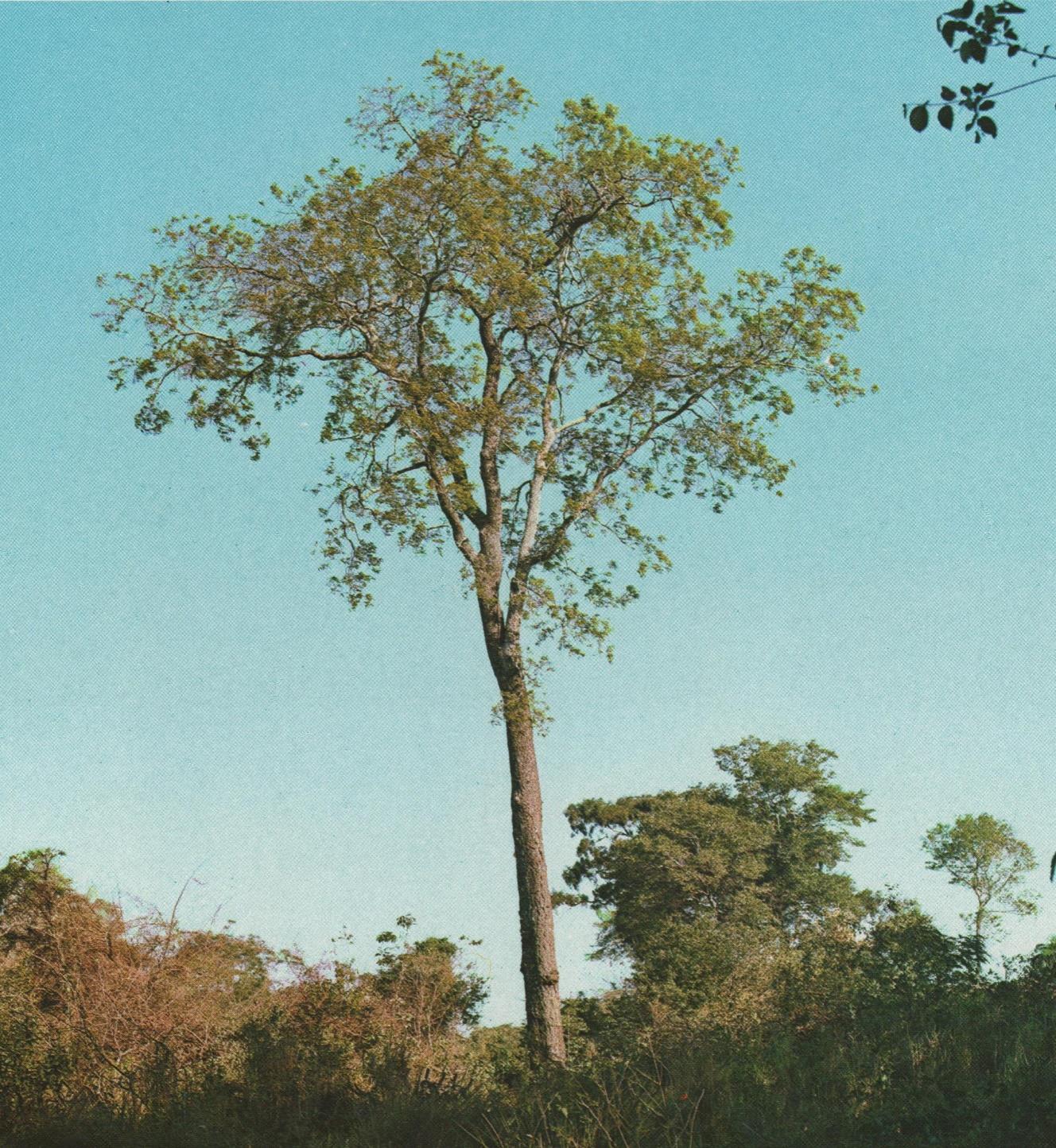
About the species
The term gonçalo-alves is used commercially for different species of the genus Astronium, the best known being Astronium fraxinifolium and Astronium lecointei.
These species share similar technological characteristics, which is why they are grouped together in the timber market.
They have high aesthetic value, high mechanical strength and good natural durability, and are traditionally used in more demanding applications and high-end pieces.
They are classified as noble-wood species for structural and decorative use, combining mechanical strength similar to that of heavy woods (such as jatobá) with a distinctive aesthetic pattern.
Species of timber interest: Astronium fraxinifolium / Astronium graveolens / Astronium balansae
- Common names
Historical and cultural significance
– Gonçalo-alves is traditionally used in fine woodworking and structural applications, thanks to the strength and decorative pattern of its wood.
– Historically, it was used in high-end furniture, tool and implement handles, structural pieces, crafts and luxury objects.
– Its characteristic striped coloring makes it stand out on the international market, where it is known as “tigerwood” and valued for its distinctive decorative look.
Botanical classification
- DOMAIN
- Eukaryota
- KINGDOM
- Plantae
- DIVISION
- Magnoliophyta
- CLASS
- Magnoliopsida
- ORDER
- Sapindales
- FAMILY
- Anacardiaceae
- GENUS
- Astronium
Natural distribution

- States of occurrence
- Ecology and habitat
– Prefers well-drained soils.
– Countries (South America): Brazil / Paraguay / Bolivia / Argentina (north) / Peru
– Biomes in Brazil: Cerrado / Caatinga / Atlantic Forest / Seasonal forests, cerradões and dry forests
Tree morphology
- SIZE
- Medium to large trees, able to reach 20 to 35 meters in height.
- TRUNK
- Straight, cylindrical, long bole.
- BARK
- Grayish brown, fissured.
- CROWN
- Rounded, relatively open.
- DBH
- 50 cm to 1 m.
- LEAVES
- Compound, alternate, with elliptical leaflets.
- FRUIT
-
Small, dry, with a membranous wing for wind dispersal.
Phenology: Species usually deciduous in the dry season.
Maturity and harvest
- Timeline · from seed to senescence
Economic harvest · 30 to 50 years
average economic harvest age, which may vary with environmental conditions and management
Full maturity · Over 40 years
full maturity of the wood occurs at more advanced ages, generally over 40 years
– Growth of gonçalo-alves species is considered moderate.
– Sustainable management is recommended because of its commercial value.
Wood characteristics
- HEARTWOOD
- Reddish brown to dark brown, with darker (almost black) streaks, forming a characteristic striped look.
- SAPWOOD
- Light yellow to beige, clearly differentiated from the heartwood, with lower natural durability than the heartwood.
- TEXTURE
- Medium.
- GRAIN
- Usually straight to slightly interlocked.
- Working properties
– Density: Medium to high (approximately 0.75 to 0.95 g/cm³).
– Hardness: High.
– Natural durability: Very high.
– Stability: Good.
– Workability: Moderate; may present difficulties due to the interlocked grain.
– Mechanical strength: High.
– Drying: Good.
Wood uses
- Uses of the tree
– Tree planting
– Recovery of degraded areas
– Ornamental use
Conservation and legislation
– Intensive logging.
– Deforestation of the Cerrado and the Atlantic Forest.
– Habitat fragmentation.
– Harvesting is subject to Brazilian environmental legislation and sustainable forest management.
– In some regions, certain species are considered of conservation interest.
Additional information
– Gonçalo-alves wood is especially prized for its decorative appearance, with contrasting streaks that make it well suited to aesthetic applications.
– Contrasting streaks are a distinctive feature; the strong visual contrast is one of the main factors that place it in the decorative noble-wood category.
– Highly valued internationally.
– An excellent decorative alternative to imported woods.