
- ATLAS OF WOODS
- Species Data Sheet
- ORIGIN: Pantanal
Cambará
- Vochysia divergens
Cambará is a tree native to South America, especially common in wetlands and in the Pantanal region. Its wood is suited to light carpentry and general uses, and the tree is also of significant ecological importance.

Family
Vochysiaceae
Color
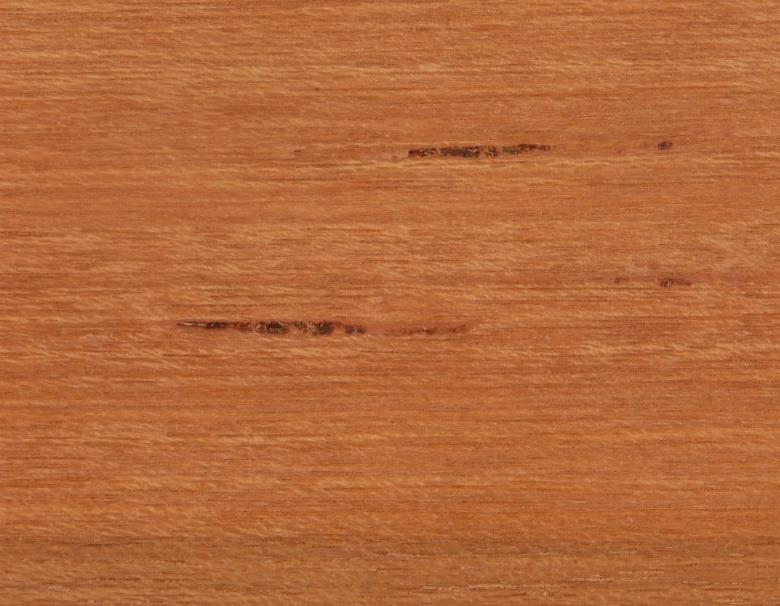
Yellowish brown to pinkish brown
Density
0.50 to 0.65 g/cm³
Uses
Fencing, boards, light carpentry, simple structures, rustic furniture, packaging and plywood.
Grain
Generally straight
Conservation Passport
- CITES
- Not listed
- BRAZILIAN RED LIST
- Not on the official list
- LEGISLATION
- Not on the official list of threatened species: native trees may only be harvested under an approved PMFS or a vegetation-removal authorization from the environmental agency, and transport requires a DOF (Sinaflor).
About the species
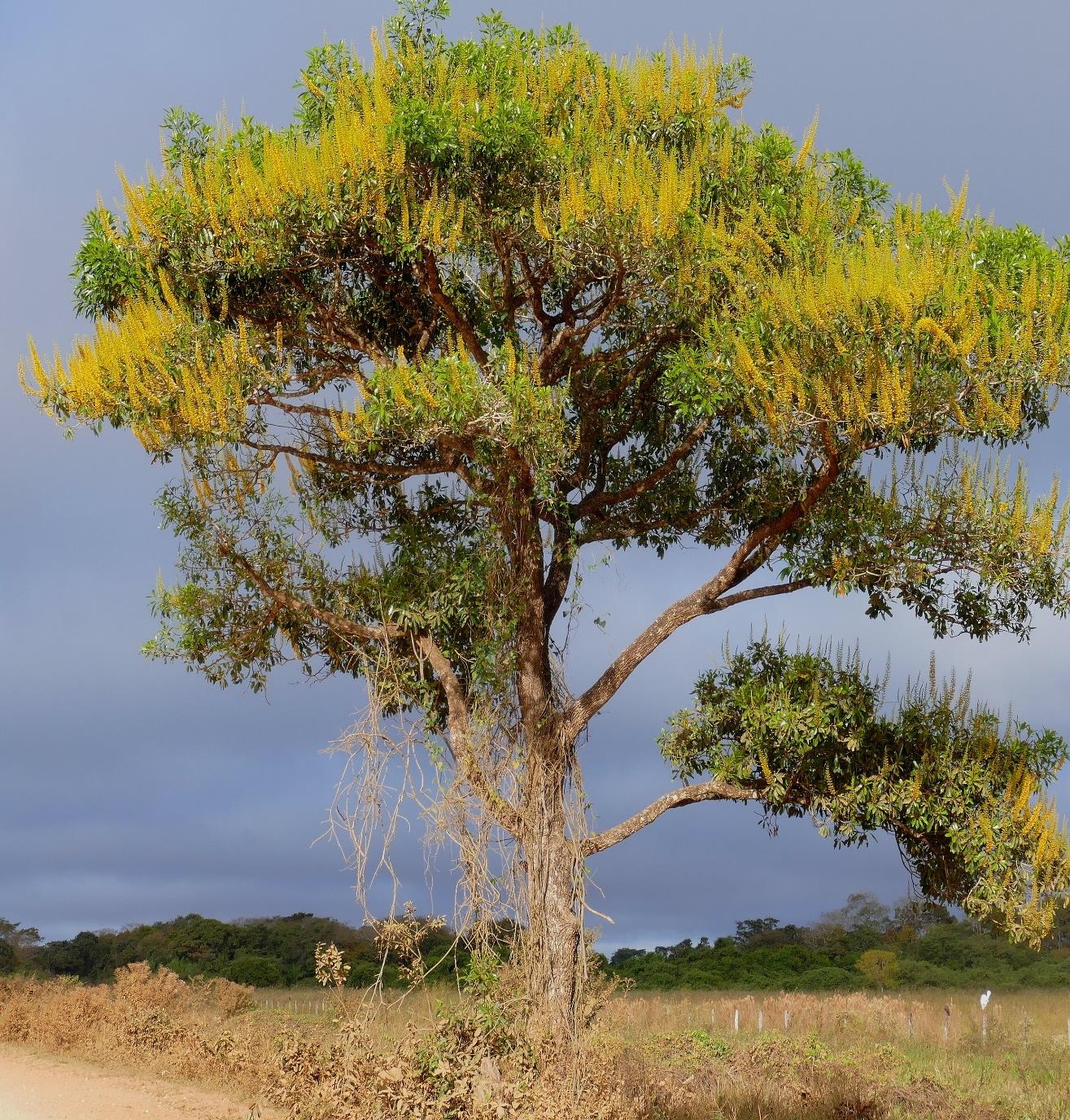
Cambará (Vochysia divergens) is a tree species native to Brazil, belonging to the Vochysiaceae family.
Its wood is versatile, of intermediate strength, easy to work and widely used in building construction, joinery and, when properly treated, exterior applications.
It stands out for its adaptation to seasonally flooded areas and is common in the Pantanal and other wet regions, where it forms extensive stands known as cambarazais.
The Vochysiaceae family includes tropical trees frequently found in the wetlands and savannas of South America.
- Common names
Historical and cultural significance
– Cambará is of significant ecological importance, especially in the Pantanal, where it forms the “cambarazais.”
– Traditionally, its wood is used in rural buildings, fences and simple structures.
– The species also plays an important role in maintaining floodplain ecosystems.
Botanical classification
- DOMAIN
- Eukaryota
- KINGDOM
- Plantae
- DIVISION
- Magnoliophyta
- CLASS
- Magnoliopsida
- ORDER
- Myrtales
- FAMILY
- Vochysiaceae
- GENUS
- Vochysia
- SPECIES
- Vochysia divergens
Natural distribution

- States of occurrence
- Ecology and habitat
– Found in the Pantanal, in the wetlands of Brazil’s Center-West, on floodable soils, in seasonally flooded areas, in regions with a tropical climate and in open areas with high light levels.
– Countries of occurrence (South America): Brazil / Bolivia / Paraguay
Tree morphology
- SIZE
- Medium to large trees, 10 to 20 m tall.
- TRUNK
- Straight and cylindrical.
- BARK
- Light-colored, with shallow fissures.
- CROWN
- Relatively open.
- DBH
- 30 to 60 cm.
- LEAVES
- Simple and opposite.
- FRUIT
-
Capsules containing winged seeds.
Flowers: Yellow and showy.
Maturity and harvest
- Timeline · from seed to senescence
Economic harvest · 20 to 30 years
economic harvest age
Full maturity · 25 to 35 years
peak quality
– Cambará grows at a moderate rate.
– In natural areas, management uses a minimum cutting diameter, generally between 45 and 50 cm DBH.
– Its growth rate makes the species suitable for reforestation and sustainable management.
Wood characteristics
- HEARTWOOD
- Yellowish brown to pinkish brown.
- SAPWOOD
- Lighter, usually beige or yellowish.
- TEXTURE
- Medium.
- GRAIN
- Generally straight.
- Working properties
– Workability: good.
– Drying: good.
– Mechanical strength: moderate.
– Natural durability: moderate.
– Density: Medium (0.50 to 0.65 g/cm³).
– Classification: It is classified as a semi-noble wood because of its intermediate performance and moderate commercial value.
Wood uses
- Uses of the tree
– Restoration of wetlands
– Protection of floodable soils
– Reforestation
– Rural tree planting
– Maintenance of Pantanal ecosystems
Conservation and legislation
Additional information
– Cambará is of great ecological importance in floodplain environments, standing out for its adaptation to floodable soils, the formation of specific ecosystems (cambarazais) and its contribution to the biodiversity of the Pantanal.
– Despite its moderate timber value, it is an essential species for the environmental balance of these regions.