
- ATLAS OF WOODS
- Species Data Sheet
- ORIGIN: Amazon
Tauari
- Couratari guianensis
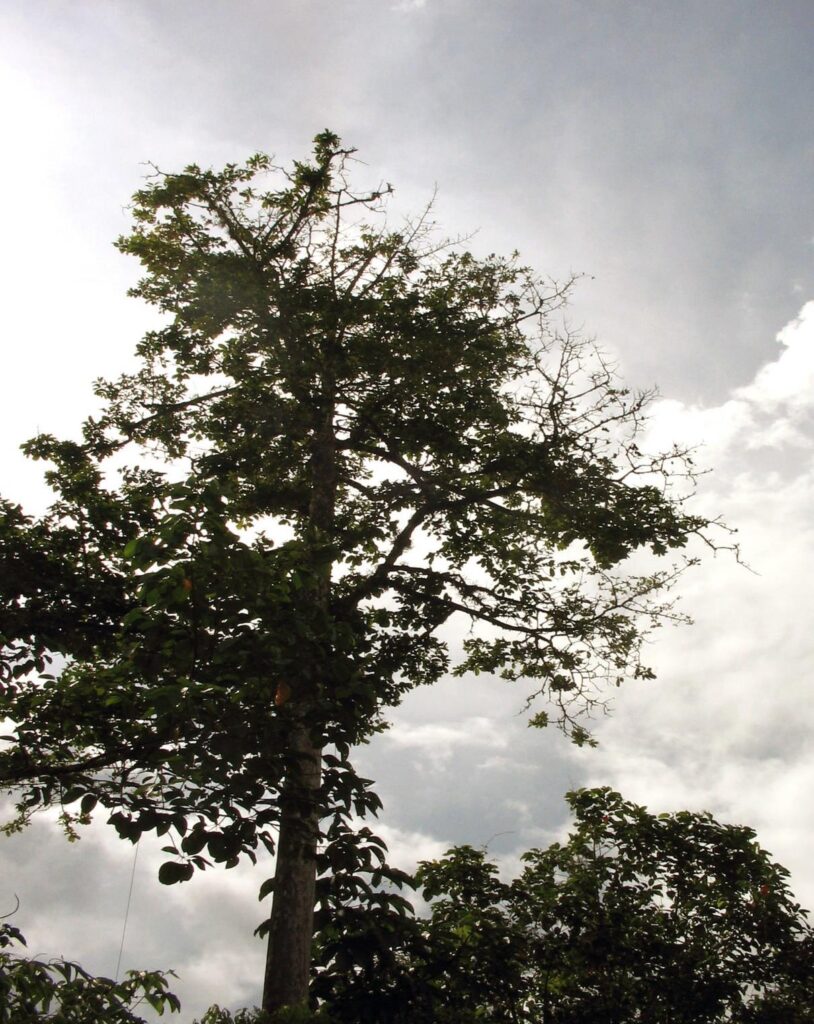
Tauari is the name given to a group of trees native to the Amazon, known for their pale, highly workable wood. They yield one of the most important woods of the Amazon, combining good strength, excellent workability, broad industrial application and economic importance.
Family
Lecythidaceae
Color
Yellowish beige to light brown
Density
0.55 to 0.75 g/cm³
Uses
Flooring, furniture, joinery, window and door frames, paneling, plywood and light construction.
Grain
Generally straight
Conservation Passport
- IUCN
- Vulnerable (VU) · assessed in 1998
- CITES
- Not listed
- BRAZILIAN RED LIST
- Not on the official list
- LEGISLATION
- Not on the official list of threatened species: harvesting of native trees only with an approved PMFS or a clearing authorization from the environmental agency, and transport with a DOF (Sinaflor).

About the species
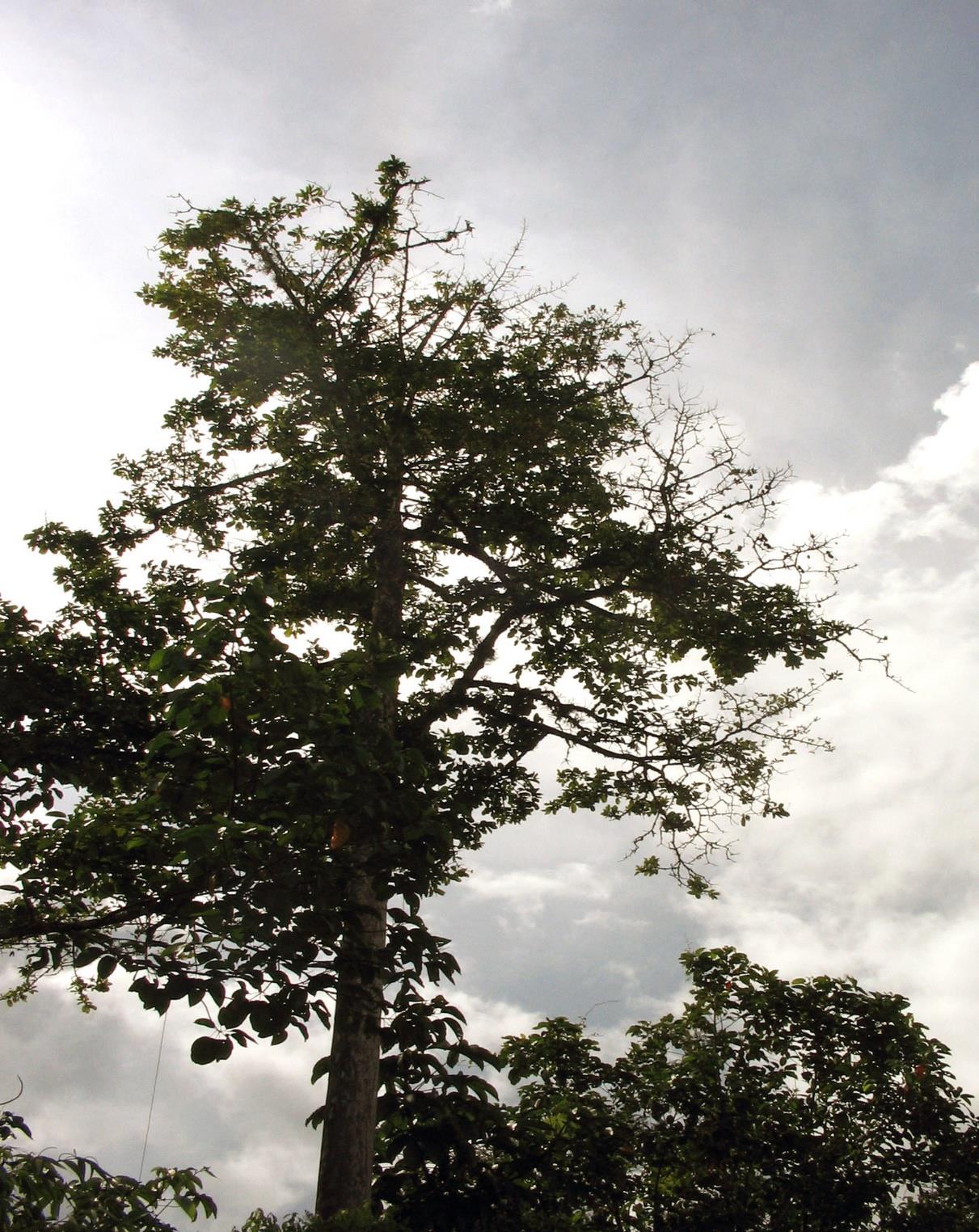
Tauari (Couratari spp.) refers to a group of tree species belonging to the family Lecythidaceae.
It stands out for its pale-colored wood, good workability and wide use in the timber industry.
It is extensively harvested in the Amazon for timber production.
Main species: Couratari guianensis
The family Lecythidaceae includes several important tropical trees of the Amazon, such as the Brazil nut tree.
Commercial species: Couratari guianensis (the one selected, most common); Couratari oblongifolia; Couratari stellata.
Species of the genus Couratari are known by several regional names. Trade names vary according to the color of the wood.
- Common names
Historical and cultural significance
– Tauari is of great economic importance in the Amazon region.
– Traditionally, its wood has been used in construction, carpentry and furniture making.
– An important raw material for tropical timber exports.
– A relevant species in sustainable forest management in the Amazon.
– Thanks to its good workability, it has become one of the most widely used woods in the timber industry.
Botanical classification
- DOMAIN
- Eukaryota
- KINGDOM
- Plantae
- DIVISION
- Magnoliophyta
- CLASS
- Magnoliopsida
- ORDER
- Ericales
- FAMILY
- Lecythidaceae
- GENUS
- Couratari
Natural distribution

- States of occurrence
- Ecology and habitat
– Habitat: humid tropical forests, upland (terra firme) areas and regions with a hot, humid climate.
– Countries of occurrence: Brazil / Peru / Colombia / Venezuela
Tree morphology
- SIZE
- Tauari trees are medium to large in size, reaching 20 to 35 m in height.
- TRUNK
- Straight and cylindrical.
- BARK
- Pale, thick and fibrous, with fissures.
- CROWN
- High.
- DBH
- 50 to 90 cm, and may exceed 100 cm.
- LEAVES
- Simple.
- FRUIT
- Woody capsules containing winged seeds.
Maturity and harvest
- Timeline · from seed to senescence
Economic harvest · 25 to 40 years
economic harvest age
Full maturity · 40 to 50 years
peak wood quality
– Tauari has moderate growth.
– Forest management considers the minimum cutting diameter, generally between 40 and 60 cm DBH.
Wood characteristics
- HEARTWOOD
- Yellowish beige to light brown.
- SAPWOOD
- Yellowish white to light cream, generally not clearly distinct from the heartwood.
- TEXTURE
- Medium.
- GRAIN
- Generally straight.
- Working properties
– Mechanical strength: good.
– Dimensional stability: good.
– Workability: excellent.
– Natural durability: moderate.
– Density: Medium (0.55 to 0.75 g/cm³).
– Classification: It is classified as a semi-noble wood due to its good workability and intermediate commercial value.
Wood uses
- Uses of the tree
Conservation and legislation
Additional information
– Tauari is one of the most widely used tropical woods in the Amazon industry and on the Brazilian market.
– It stands out for its good workability, versatility of use and relatively wide availability.
– Despite its moderate durability, it performs excellently in interior and industrial applications.