
- ATLAS OF WOODS
- Species Data Sheet
- ORIGIN: Caatinga · Cerrado
Cerejeira-do-mato
- Amburana cearensis
Cerejeira-do-mato is a tree species native to Brazil whose wood is prized for its lightness, good workability and distinctive aroma; the species also has medicinal relevance. It is widely used in furniture, carvings and musical instruments, and is valued for its pleasant scent and good stability.

Family
Fabaceae
Color
Light brown to yellowish brown
Density
0.45 to 0.60 g/cm³ (approximately)
Uses
Fine furniture and joinery, musical instruments, interior paneling, handicrafts, veneers and decorative pieces.
Grain
Generally straight
Conservation Passport
- IUCN
- Endangered (EN) · assessed in 2024
- CITES
- Not listed
- BRAZILIAN RED LIST
- Not on the official list
- LEGISLATION
- Not on the official list of threatened species: native trees may only be harvested under an approved PMFS or a vegetation-removal authorization from the environmental agency, and transport requires a DOF (Sinaflor).
About the species
The species is economically important both for its wood and for the aromatic compounds found in its bark and seeds.
It stands out for its aesthetic beauty, rare natural aroma, excellent finishing, good stability, historical and cultural value, and relative scarcity.
- Common names
Historical and cultural significance
– Cerejeira-do-mato is traditionally used in Brazilian folk medicine, especially to treat respiratory problems.
– Its wood is also significant in light joinery and in the making of musical instruments.
– Culturally, it is an important species of the Caatinga and the Cerrado, associated with folk medicine and regional handicrafts.
Botanical classification
- DOMAIN
- Eukaryota
- KINGDOM
- Plantae
- DIVISION
- Magnoliophyta
- CLASS
- Magnoliopsida
- ORDER
- Fabales
- FAMILY
- Fabaceae
- GENUS
- Amburana
- SPECIES
- Amburana cearensis
Natural distribution

- States of occurrence
- Ecology and habitat
– Habitat in Brazil: dry forests, cerrados, caatingas and well-drained soils.
– Countries (South America): Brazil / Bolivia / Paraguay / Argentina (north)
Tree morphology
- SIZE
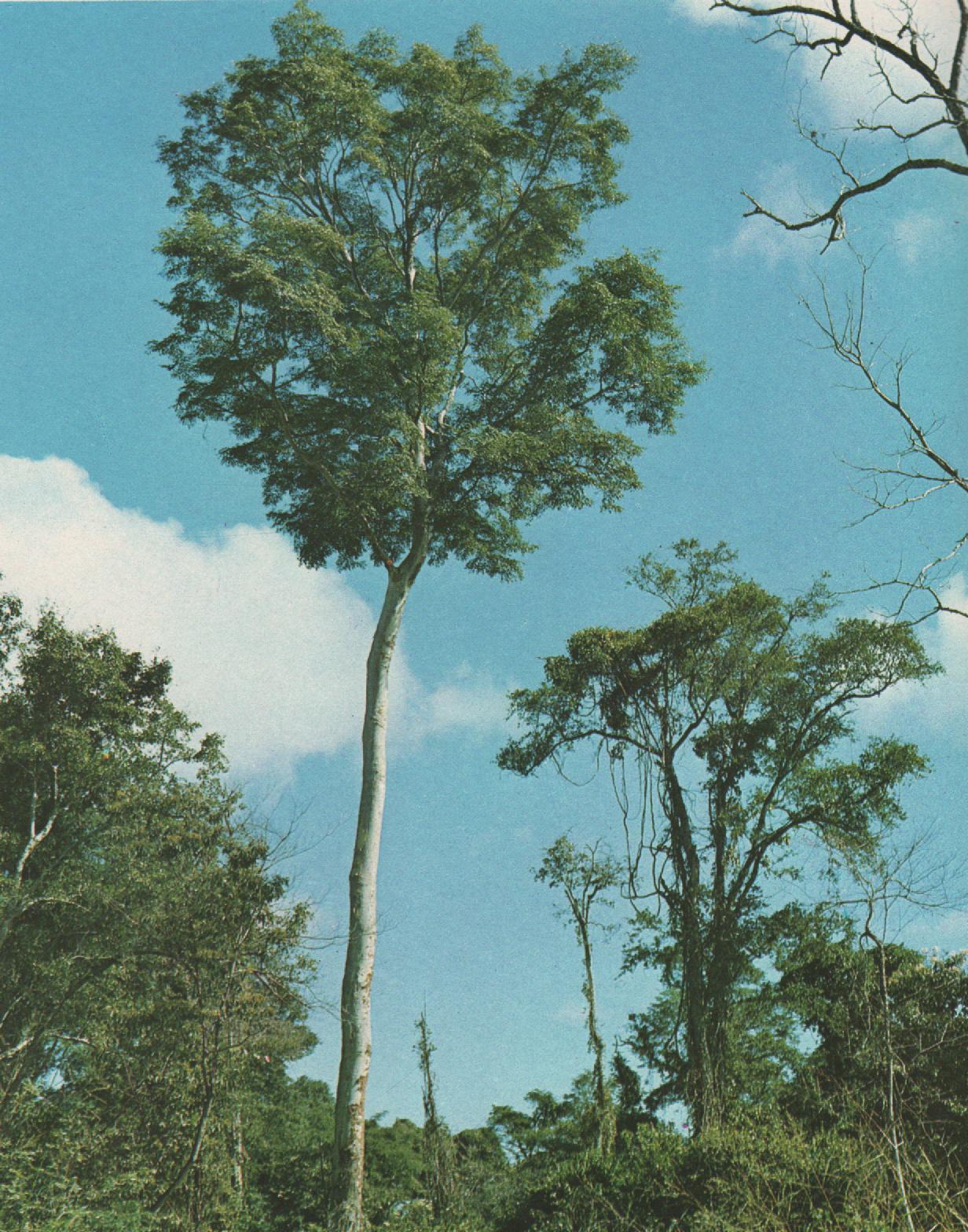
- Medium-sized tree, reaching between 10 and 20 meters in height. Tolerates prolonged dry periods.
- TRUNK
- Straight, cylindrical.
- BARK
- Grayish brown, aromatic when scraped.
- CROWN
- Rounded, relatively open.
- DBH
- Generally between 40 and 70 cm.
- LEAVES
- Compound, alternate, with few leaflets.
- FRUIT
-
Woody pod containing a single seed.
Seed: Aromatic, rich in bioactive compounds.
Maturity and harvest
- Timeline · from seed to senescence
Economic harvest · 20 to 30 years
average economic harvest age, which may vary with environmental conditions
Full maturity · 25 to 35 years
the wood reaches full maturity at older ages, generally between 25 and 35 years
– Cerejeira-do-mato grows at a moderate rate.
– Indiscriminate stripping of the bark for medicinal use can threaten the tree’s survival.
Wood characteristics
- HEARTWOOD
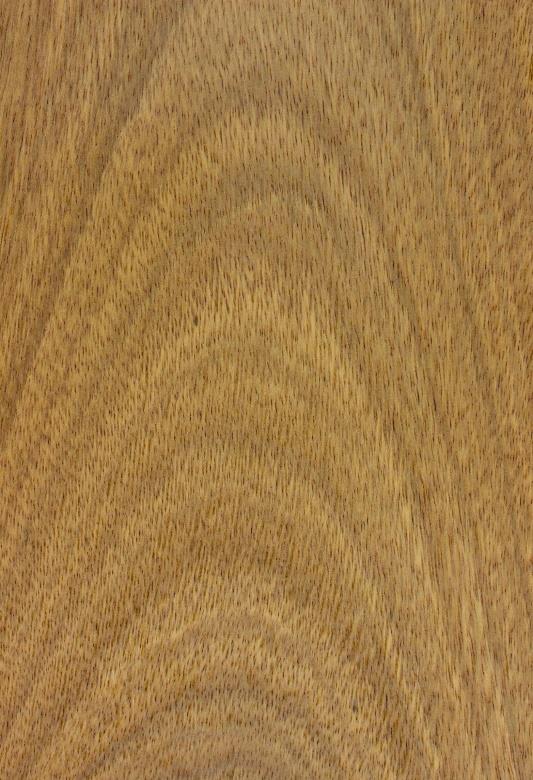
- Light brown to yellowish brown.
- SAPWOOD
- Pale yellow to beige, poorly differentiated from the heartwood.
- TEXTURE
- Fine to medium.
- GRAIN
- Generally straight.
- Working properties
– Density: Low to medium (approximately 0.45 to 0.60 g/cm³).
– Hardness: Medium.
– Natural durability: Moderate.
– Stability: Good.
– Workability: Excellent.
– Aroma: Strong, sweetish (presence of coumarin).
Wood uses
- Uses of the tree
– Restoration of degraded areas
– Ornamental species
– Uses of the bark and seeds: Traditional medicinal use (syrups, teas, extracts); Natural cosmetics; Flavorings.
Conservation and legislation
– In some regions it is considered a species of conservation interest.
– Harvesting must follow environmental legislation and sustainable management, especially regarding bark removal.
Additional information
– A heliophilous, drought-resistant species.
– Because it produces natural aromatic compounds (coumarin), it is important to traditional medicine in Brazil’s Northeast.
– It can be managed sustainably through controlled harvesting.
– High cultural, medicinal and regional economic value.