
- ATLAS OF WOODS
- Species Data Sheet
- ORIGIN: Atlantic Forest · Cerrado · Seasonal Forests
Garapeira
- Apuleia leiocarpa
Garapeira is a medium to large tree species native to Brazil, whose wood is prized for its mechanical strength, durability and characteristic yellowish color. Strong and durable, it is widely used in building construction, structures and flooring, offering good stability and workability.

Family
Fabaceae
Color
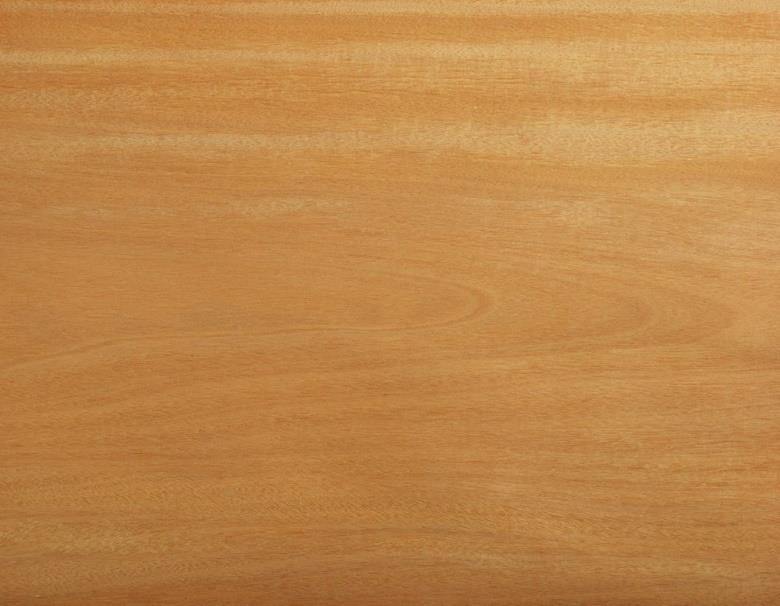
Yellow to golden yellow
Density
0.70 to 0.90 g/cm³ (approximately)
Uses
Heavy construction and framing, high-traffic flooring, bridges and exterior works, railroad ties, rural and industrial structures, decks and exterior pieces, sturdy furniture and heavy carpentry.
Grain
Usually interlocked
Conservation Passport
- IUCN
- Least Concern (LC) · assessed in 2021
- CITES
- Not listed
- BRAZILIAN RED LIST
- Vulnerable (VU)
- LEGISLATION
- Threatened species (VU) on the official list: in the Amazon, harvesting only under an approved PMFS (sustainable forest management plan) that complies with IN MMA 1/2015 (minimum retention of 15% of trees per species); otherwise, cutting of native trees is prohibited; transport with a DOF.
About the species
Garapeira (Apuleia leiocarpa) has significant economic importance and is widely used in building construction and exterior applications.
Its characteristic yellow color makes it easy to identify.
It is highly valued for its strength and durability.
It offers a good balance of strength × stability.
Its moderate growth yields a dense, consistent wood.
It is one of the most traditional Brazilian woods for structural use.
Subfamily: Caesalpinioideae
- Common names
Historical and cultural significance
– Garapeira is traditionally used in structures and construction and is recognized for the durability of its wood.
– A historic wood for bridges, beams, rural structures and flooring, widely used in agricultural and railroad works.
Botanical classification
- DOMAIN
- Eukaryota
- KINGDOM
- Plantae
- DIVISION
- Magnoliophyta
- CLASS
- Magnoliopsida
- ORDER
- Fabales
- FAMILY
- Fabaceae
- GENUS
- Apuleia
- SPECIES
- Apuleia leiocarpa
Natural distribution

- States of occurrence
- Ecology and habitat
– Late secondary species, close to climax.
– Countries (South America): Brazil / Argentina / Paraguay / Bolivia
– Brazilian regions: South / Southeast / Center-West / Part of the Amazon
– Biomes: Atlantic Forest / Cerrado / Seasonal Forests
Tree morphology
- SIZE
-
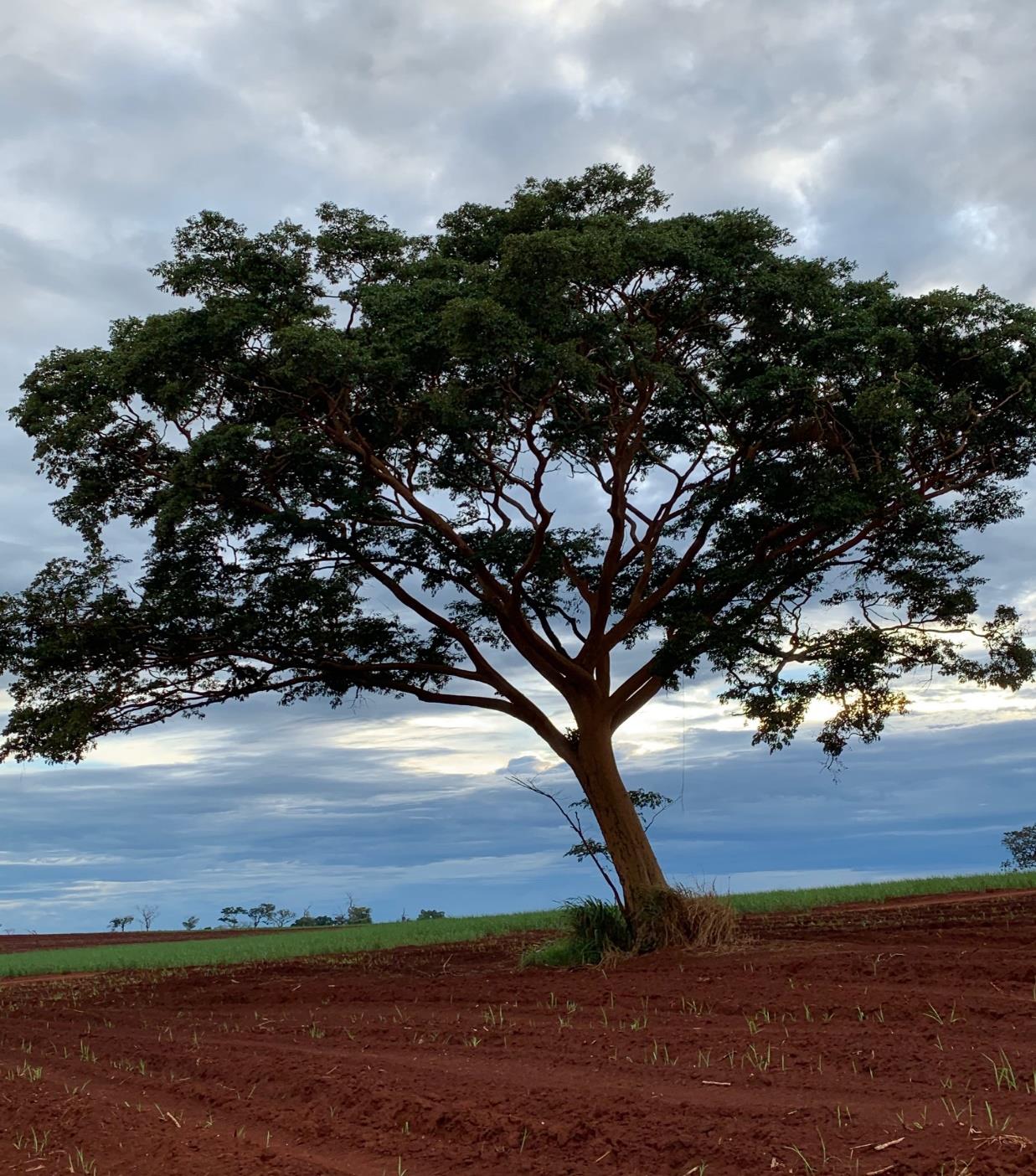
Medium to large tree, able to reach 20 to 35 meters in height.
Bole: Straight, cylindrical and long, providing good industrial yield.
Root system: Deep and robust.
- BARK
- Grayish brown to brown, fissured.
- CROWN
- Tall, relatively open.
- DBH
- 60 to 100 cm.
- LEAVES
- Compound, typical of a leguminous tree.
- FRUIT
- Flattened legume (characteristic pod).
Maturity and harvest
- Timeline · from seed to senescence
Economic harvest · 25 to 40 years
average economic harvest age, which may vary with conditions
Full maturity · Over 35 years
full maturity of the wood occurs at older ages, generally over 35 years
– Garapeira growth is moderate.
– Natural harvesting: commercial trees are usually mature.
– Management: responds well to management and thinning.
– A medium-cycle species with good volumetric productivity.
Wood characteristics
- HEARTWOOD
- Yellow to golden yellow.
- SAPWOOD
- Light, distinct.
- TEXTURE
- Medium.
- GRAIN
- Usually interlocked.
- Working properties
– Density: Medium to high (approximately 0.70 to 0.90 g/cm³).
– Hardness: High.
– Mechanical strength: Very good.
– Natural durability: High to moderately high.
– Drying: Moderate.
– Workability: Considered moderate, with good finishing.
– Dimensional stability: Good.
Wood uses
- Uses of the tree
Conservation and legislation
– Widely distributed, subject to selective logging.
– Harvesting permitted only under authorized sustainable forest management.
– Trade regulated by Brazilian environmental legislation.
– FSC / CERFLOR certification is recommended.
– Good practices: sustainable management, appropriate harvest cycles and preservation of seed trees.
Additional information
– Garapeira is often used as an alternative to denser woods, such as ipê, in certain applications.
– Widely used in forest engineering and construction.